
002: The Edge- Signal
READ THE CULTURE. LEAD THE SHIFT.
A signal is what you send when you can see further than the room you're standing in. It's not a prediction but a reading of what's already moving. The Edge - Signal is a regular publication for the one's shaping what's next across music, commerce and cause.
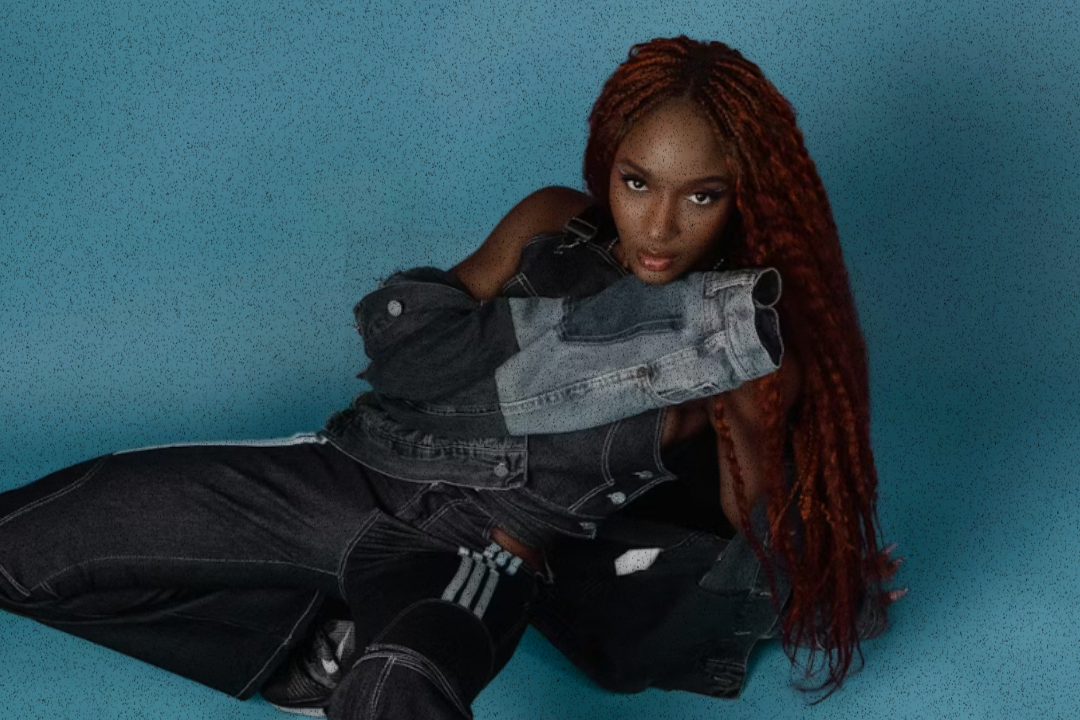
THE CAUSE ECONOMY IS OPEN FOR BUSINESS.
Let's talk about what a $12.4 billion lesson looks like in practice…
When Target rolled back its diversity commitments, a 40-day boycott followed, wiping $12.4 billion from its market value, dropping its stock $27 per share, and cutting early 2025 shopper visits by five million. (ADEC ESG) Meanwhile, Costco held firm on its inclusion policies and customers flooded the internet with support and the company's approval ratings climbed.
Pinterest's CEO doubled down on DEI publicly, saying "we've seen it actually leads to better engagement, there's consumer demand for it , it's just good for our business." (Axios)
This is the moment we're in, a business architecture story playing out across every industry simultaneously.
What's actually shifting isn't just sentiment, it's structure.
In fashion, the sustainable label is no longer enough because audiences now demand measurable progress, not vision statements, and expect brands to integrate purpose directly into strategy, not layer it onto campaigns. (Admind)
In tech, as AI floods every creative field, "human-made" is resurfacing as a badge of honour and a driver of price premiums, leveraing the lived perspective as the most defensible differentiator in the room.
In finance, Gen Z is investing by age 19 on average, significantly earlier than any previous generation and they’re directing that capital toward companies whose values they can verify.
In live entertainment, tours have the opportunity to be extensions of year-round ecosystems, built to deepen community and generate value long after the last city on the itinerary. (The Talent Times)
The through-line is a structural reconfiguration of what it means to earn loyalty, relevancy and dollars across every sector, from every direction.
We‘re moving from cause as charity to cause as catalyst.
From DEI tick boxes to integrated impact.
From endorsement to co-creation.
Here's where it gets interesting for artists and for the brands ready to meet the moment together.
→ Influence no longer flows from institutions down to consumers. It’s increasingly built from the ground up through creatives, communities, and peer networks, and creator-led channels now generate more advertising revenue than legacy broadcasters. (Mastercard)
The audience has become the industry's most powerful editorial force and they decide what lands, what compounds, and what gets buried.
Gen Z will champion a brand, an artist, or a campaign if it aligns with their values, even if it means spending more and 40% have already stopped purchasing from businesses that reversed diversity commitments.
The same audience applying that standard to a corporation is applying it to music artists, fashion collabs, and brand partnership announcements. The scrutiny isn’t sector-specific, it's generational, it's precise and it’s here to stay - with impact accounting policies, rules and regulations unfolding across the world indicating this isn’t a passing trend.
Impact as a strategy doesn’t = inauthentic. In fact, the strategy is what allows your efforts and genuine care to become repeatable, sustainable and actually* move the needle.
Artists who apply impact as a strategy into their business and platform isn't just more credible, they’re structurally more valuable to a brand that wants to meet the moment with substance, not just aesthetics.
Many brands look polished in 2026, but fewer feel anchored. The artist who has a clear lane, a real community, and a cause that's genuinely theirs, becomes the thing a brand cannot manufacture internally: proof of belief.
So → when you combine two powerful forces: An artist and a brand, that are culturally intelligent and treat impact and commerce as a single operating system instead of competing priorities, it moves the conversation from sponsorship, to partnership with compounding returns.
And what comes from that is not just a campaign, but an entirely new category.
What shift are you seeing in your industry? Drop it in the comments.